

Dental Sedation
Helping Nervous Children Feel Comfortable and Confident
For some children, dental treatment can feel overwhelming. Nathalie offers a range of behaviour management and sedation options designed to help children receive treatment in a calm, safe and supportive environment.
SUPPORTING ANXIOUS CHILDREN
Gentle Care Tailored to Your Child
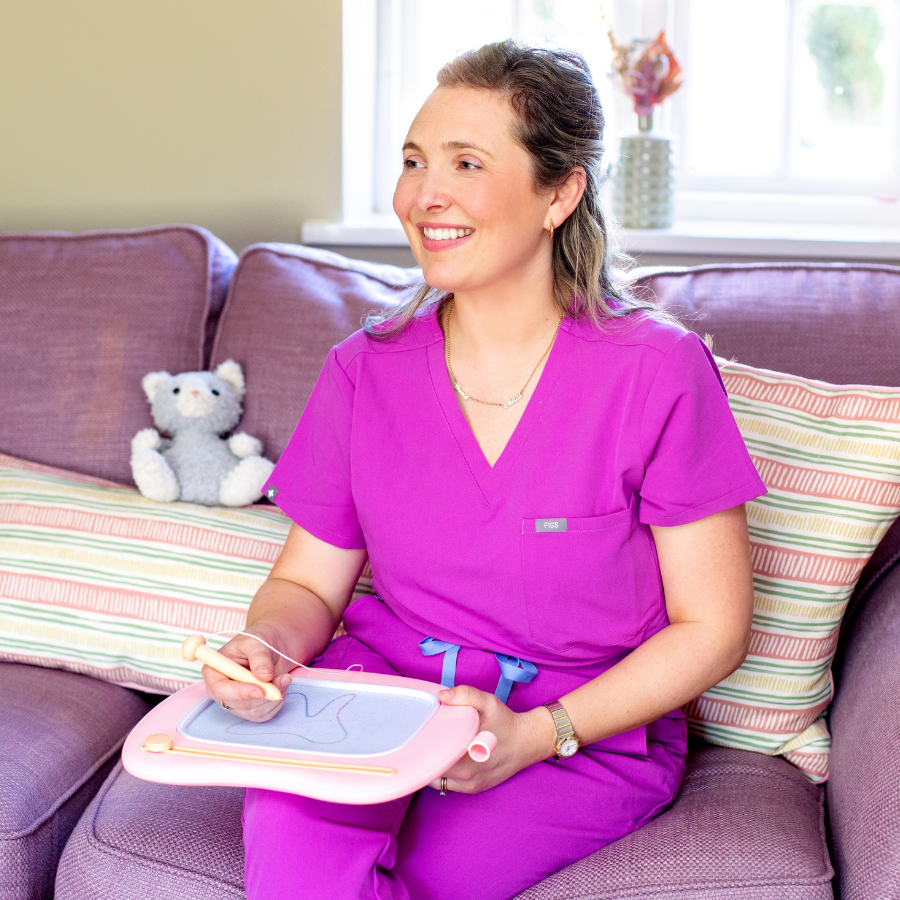
Every child is different. While many children can be treated using behavioural techniques alone, some may benefit from sedation to help them feel more relaxed during treatment.
Nathalie is experienced in supporting children who feel anxious, nervous or overwhelmed by dental visits and takes time to understand each child's individual needs.
Treatment is always tailored to the child, with sedation only recommended when appropriate and following a full assessment.
Support may include:
✓ Behaviour management techniques
✓ Acclimatisation appointments
✓ Video glasses
✓ Inhalation sedation
✓ Intravenous (IV) sedation
SEDATION OPTIONS
Safe and Effective Treatment Support
Sedation helps children feel calmer and more comfortable during dental treatment while remaining closely monitored throughout their appointment.
Nathalie is experienced in both inhalation sedation and intravenous sedation and will discuss the most appropriate option based on your child's age, treatment requirements and individual circumstances.
The goal is always to create a positive experience and help children develop confidence in dental care for the future.
Inhalation Sedation
Inhalation sedation is a safe and effective technique that helps children feel calm and relaxed during dental treatment. It is administered through a small nosepiece, which delivers a carefully controlled mixture of nitrous oxide and oxygen.
As the sedation takes effect, children often feel warm, relaxed and less anxious about treatment. Some may experience a light tingling sensation or feel slightly floaty, while remaining awake, comfortable and fully able to communicate throughout the appointment.
Once treatment is complete, the sedation is quickly reversed by breathing pure oxygen for a few minutes. Children recover rapidly and are usually able to return home shortly afterwards.
✓ Helps reduce anxiety and nervousness
✓ Child remains awake and responsive
✓ Quick recovery after treatment
✓ Suitable for many routine dental procedures
IV Sedation
Intravenous (IV) sedation may be recommended for older children and teenagers who experience significant dental anxiety or require more extensive treatment. The sedation is administered through a small cannula placed in the arm or hand and helps patients feel relaxed throughout their appointment.
Although children remain conscious and able to respond if needed, many feel very calm and have little memory of the treatment afterwards. Throughout the procedure, they are carefully monitored by a trained clinical team to ensure their comfort and safety at all times.
Following treatment, a period of recovery is required before returning home with a responsible adult.
✓ Helps manage significant dental anxiety
✓ Provides a deeper level of relaxation
✓ Suitable for more complex dental treatment
✓ Closely monitored throughout the appointment
✓ Little or no memory of treatment for many patients
Ready to Book an Appointment?
Whether you're seeking specialist advice, support for dental anxiety, treatment following a dental injury or a second opinion, Nathalie is here to help.

Families
Book a consultation for your child with Dr Nathalie Gallichan.
Dental Professionals
Refer a patient for a specialist paediatric dental consultation with Dr Nathalie Gallichan.
Frequently Asked Questions
-
Inhalation sedation uses a mixture of oxygen and nitrous oxide ("happy air") to help children feel relaxed during treatment.
-
No, it is known as ‘conscious sedation’. Sedation helps children feel calm and comfortable, but they remain awake and able to communicate.
-
Sedation is carefully assessed, planned and monitored to ensure treatment is carried out safely.
-
A consultation will help determine whether sedation may be beneficial based on your child's anxiety levels, age and treatment needs.
-
Not always. Suitability is assessed on an individual basis and alternative approaches may sometimes be recommended.